
MOHS Surgery Reconstruction in Abilene, TX
Restore both form and confidence with expert MOHS reconstruction by double board-certified plastic and reconstructive surgeon Dr. Kevin Bridge in Abilene, TX. After skin cancer removal, reconstruction is just as important as cure, especially on delicate and visible areas like the face. Dr. Bridge combines advanced oncoplastic techniques with an artistic eye to ensure that your cancer journey ends not only with health, but also with natural, lasting results.
To learn how MOHS reconstruction can restore your appearance and peace of mind, call our office at (325) 230-6411 or reach out through our online consultation form. Patients visit Dr. Bridge from across West Texas, including Abilene, San Angelo, Midland, and beyond.
Quick Links
What Is MOHS Surgery Reconstruction?
MOHS surgery is a highly precise method for removing skin cancer while sparing as much healthy tissue as possible. Once the cancer is cleared, reconstruction may be necessary to close the wound and restore appearance and function.
Reconstruction can be as straightforward as stitching a small incision or as complex as rearranging skin, cartilage, or using flaps or grafts. The goal is always twofold: eliminate the cancer completely and recreate a natural appearance.

Why Choose Dr. Kevin Bridge for MOHS Reconstruction in West Texas?
Dr. Bridge is the only double board-certified plastic and reconstructive surgeon in the Big Country. His training at Emory University (considered the birthplace of modern plastic surgery) and further education in Europe and Brazil gives him expertise few surgeons in the region can match.
- Oncoplastic specialization: Dr. Bridge bridges the gap between cancer surgery and aesthetic surgery, offering comprehensive care from excision through reconstruction.
- Whole-body expertise: From skin to facial features, scalp, ears, lips, and hands, he restores both form and function.
- Personal, small-town approach: Every patient meets with Dr. Bridge directly. He listens, designs a customized plan, and follows you personally through recovery.
- Advanced techniques: He incorporates quilting stitches, flap design, and gliding methods from leading European and Brazilian surgeons for superior cosmetic outcomes.
Patients choose Dr. Bridge not only for his technical skill but also for his compassion. He understands that cancer treatment is stressful, and he makes every step of reconstruction reassuring, collaborative, and centered on your goals.
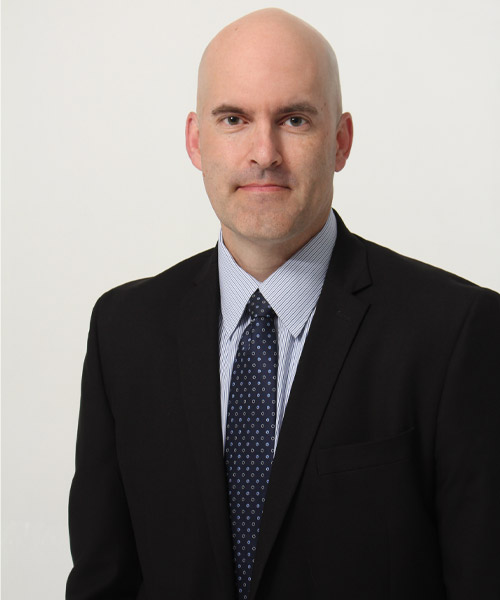
Kevin A. Bridge, MD
Double Board-Certified Plastic & Reconstructive Surgeon
Dr. Kevin Bridge, West Texas’s only double board-certified plastic and reconstructive surgeon, offers expert breast augmentation in Abilene with natural, personalized results. Trained at Emory and internationally, he blends advanced techniques with compassionate care. From consultation to recovery, Dr. Bridge is hands-on every step of the way—helping you achieve your aesthetic goals with confidence.








Benefits of MOHS Reconstruction
- Complete closure of surgical wounds following cancer removal
- Reduced risk of complications like infection or delayed healing
- Preservation of natural features through advanced reconstructive design
- Improved cosmetic outcomes, minimizing visible scarring
- Restoration of function in areas like eyelids, nose, or lips
- Peace of mind knowing reconstruction is performed by a surgeon skilled in both cancer and aesthetic surgery
How Does MOHS Reconstruction Work?
After your dermatologist performs MOHS surgery to remove skin cancer, Dr. Bridge steps in for reconstruction. Depending on the size and location of the defect, reconstruction may involve:
- Primary closure: Carefully suturing the wound for small, simple excisions.
- Local flap reconstruction: Using adjacent skin to cover the area while preserving texture and color match.
- Skin grafting: Transferring skin from a donor site when local tissue is insufficient.
- Cartilage or composite grafts: Rebuilding structural areas like the nose or ear.
- Staged reconstruction: Performing the repair in phases for large or complex cases.
Dr. Bridge uses meticulous planning and hidden incision placement to ensure natural results while maintaining your safety and comfort.

Good Candidates for MOHS Reconstruction
You may benefit from reconstruction with Dr. Bridge if you:
- Have undergone MOHS surgery for basal cell carcinoma, squamous cell carcinoma, or melanoma
- Require closure in a cosmetically sensitive area (nose, lips, eyelids, cheeks, ears, scalp)
- Want to minimize visible scarring and restore natural facial balance
- Need restoration of both appearance and function (such as eyelid movement or nasal breathing)
What Happens During a MOHS Reconstruction Procedure?
- Consultation: Dr. Bridge reviews your MOHS surgical plan, examines the site, and explains the best reconstructive options.
- Surgery: Reconstruction is performed immediately after cancer removal, often the same day. Depending on complexity, this may take place in the office under local anesthesia or in a surgical center with sedation or general anesthesia.
- Technique: Dr. Bridge carefully designs closures or flaps that align with your natural features, using advanced suturing to minimize tension and scarring.
- Return home: Most patients go home the same day with simple aftercare instructions.
Recovery After MOHS Reconstruction
Recovery depends on the size and type of repair:
- Mild swelling and bruising: Usually lasts 1 to 2 weeks.
- Stitches removed: Typically, in 5 to 14 days.
- Return to normal activities: Most patients resume daily routines within 1 to 2 weeks.
- Final results: Scars soften and fade over several months. Dr. Bridge may recommend scar therapy, laser resurfacing, or non-surgical touch-ups to further optimize results.
Throughout recovery, Dr. Bridge and his team provide personal follow-up, ensuring you feel cared for and supported every step of the way.
How Much Does MOHS Reconstruction Cost in Abilene, TX?
Costs vary based on the complexity of the reconstruction, anesthesia, and surgical setting. For medically necessary cancer-related reconstruction, insurance typically covers part or all of the cost. Cosmetic refinements performed later may be an additional investment. During your consultation, Dr. Bridge will provide a detailed, personalized quote.
Schedule Your Consultation at Bridge Plastic Surgery Today
Skin cancer treatment doesn’t have to leave lasting scars, physically or emotionally. With MOHS surgery reconstruction by Dr. Kevin Bridge, you can restore both your health and your confidence.
For expert reconstruction in Abilene and throughout West Texas, contact our clinic today. Call (325) 230-6411 or use our online consultation form to schedule your appointment with Dr. Bridge.
MOHS Reconstruction Abilene, TX - FAQs
Most patients report only mild discomfort. Local anesthesia keeps you comfortable during surgery, and soreness afterward is usually managed with over-the-counter pain medication.
Dr. Bridge places incisions carefully within natural folds or along contour lines to minimize visibility. Over time, scars typically fade significantly and may become nearly invisible.
Yes. Dr. Bridge often blends reconstructive and aesthetic principles, such as refining the nose or eyelids while repairing cancer defects.
Most patients feel ready for desk work or light activity within 1 week, though this depends on the size and location of the repair.
Some patients choose follow-up procedures like laser resurfacing, Botox, or dermal fillers to refine results and maintain facial harmony. Dr. Bridge will discuss these options if appropriate.
The length of the procedure depends on the size and complexity of the repair. Some closures take less than an hour, while flap or graft procedures may require two to three hours.
Most reconstructions are completed in one procedure. However, large or complex cases, particularly on the nose or ear, may be performed in stages to allow tissue to heal before refinement.
Reconstruction is most often needed on the face, including the nose, lips, eyelids, ears, and cheeks. Dr. Bridge also performs MOHS reconstruction on the scalp, neck, and hands.
Not always. Small excisions may heal well on their own or with a few stitches. But in cosmetically sensitive or functional areas, reconstruction ensures the best appearance and movement.
Many reconstructions are performed with local anesthesia to keep you comfortable and avoid the risks of general anesthesia. More extensive procedures may be done under sedation or general anesthesia in a surgical center.
Reconstruction is usually done immediately after your dermatologist confirms that all cancer has been removed. This helps shorten healing time and prevents scarring from an open wound.
As with any surgery, there is a small risk of bleeding, infection, or delayed healing. When performed by a board-certified plastic surgeon, these risks are minimal and managed with detailed aftercare instructions.